Access control solutions have become a high-demand upgrade to conventional locks and alarms, and they’re often ideal for businesses with heightened security concerns, ongoing break-in risks, or frequent arrivals where there isn’t the time to manually verify the credentials of every individual.
As with most commercial security systems, there are various access control devices, and much might depend on your risk assessments, the types of security concerns you’re dealing with, and your budget.
We’ve shared some introductory information on the various access management installation services we offer, how each solution works, and guidance on how to establish whether your existing security systems are likely sufficient.
What Are Commercial Access Control Solutions?
Access control systems automate entry permissions for business premises, whether companies need to restrict access to front doors, secure specific areas like server rooms or safes, or prevent security breaches through windows and roller shutters.
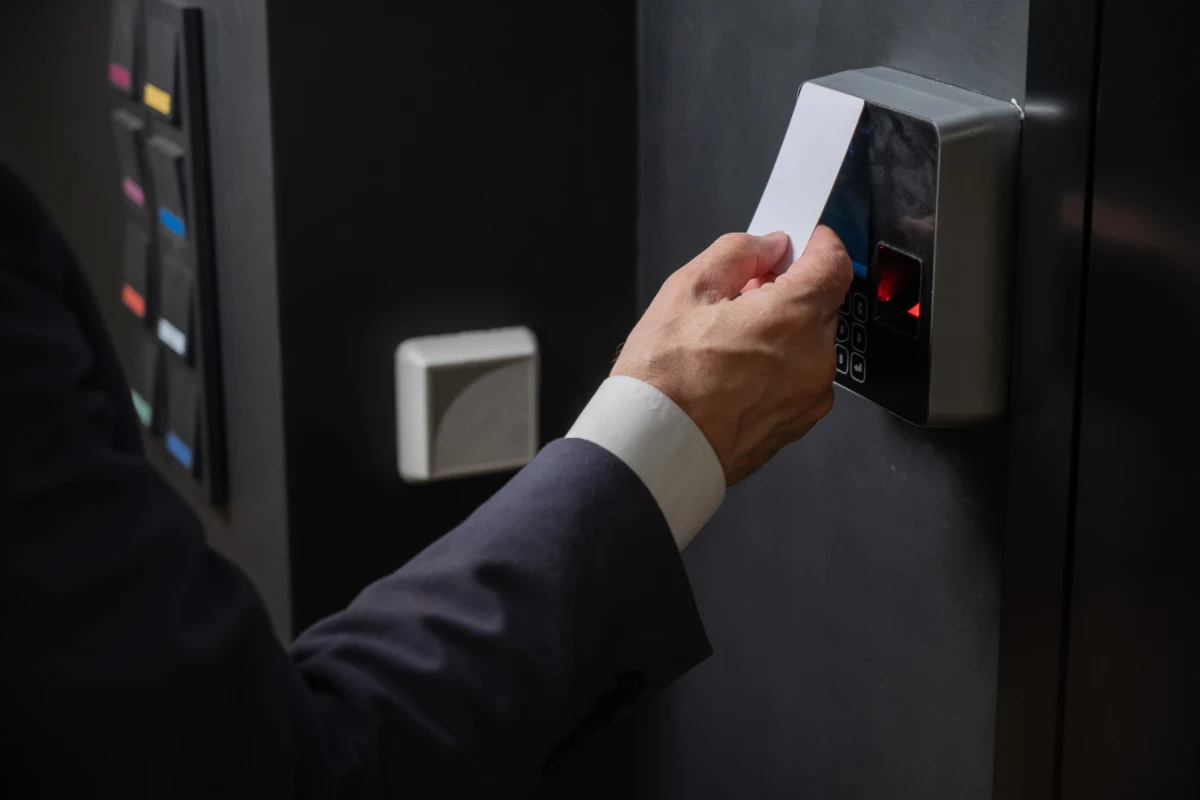
The contrast with a traditional security approach, such as a set of locks, CCTV systems or burglar alarms, is that access controls can be as simple or sophisticated as needed, with staff, contractors, and approved visitors gaining entry by:
- Entering a pin code
- Swiping a security pass
- Displaying a key card
Rather than staffing each access point or installing multiple cameras, access controls can be fitted to as many entrances or zones as needed, making them suitable for both small business premises and larger sites.
While there are obvious advantages to limiting access to sensitive areas, security access control systems are also valuable for site monitoring and health and safety. They can, for example, enable managers to track working hours and footfall, compile accurate fire safety logs, and identify which staff are in each zone at any given time.
Access control decisions are made immediately and autonomously based on the parameters you enter. This makes access controls a cost-efficient way to set permissions for individuals, groups of staff, or customers versus personnel, without needing to grant the same rights to every person.
What Are the Different Types of Access Control?
Eydens Locksmiths and Security offers several tailored solutions based on your requirements, and the ideal options will depend on whether you need access controls that integrate seamlessly with other security infrastructure or require a system that can operate independently.
Mechanical building access control devices are the simplest, yet incredibly reliable and cost-efficient. Staff and authorised arrivals can simply enter their assigned code using push buttons, with the ability to change codes regularly or distribute specific codes to particular teams.
Digital access controls work similarly but electronically, with keypads that make it quick and easy to get in and out of buildings and controlled areas without any of the issues around manual keys that can be stolen, copied or lost.
If you need full control of a commercial premises, a standalone electronic access control could be ideal. Each integrated unit houses electronic locks, overrides and access controls, with a keypad or scanner that can confirm the access rights of each person.
Finally, networked building access control is more advanced and better suited to larger buildings, sites, or compounds that need to control multiple doors or access points simultaneously. These systems operate with a keypad or scanner, allowing staff to enter their code or scan a card to gain access.
Smaller businesses typically choose simpler access control devices since these will often meet their security requirements. However, if your needs change and you’re tasked with augmenting your site security, it’s always possible to increase the number of controlled-access points.
How Is a Commercial Access Control System Beneficial?
Access controls are used extensively within sites with elevated risks, from healthcare facilities to construction sites, schools and colleges, and corporate offices, and within retail and hospitality businesses that need to control access to restricted areas.
Although their key application is in mitigating security risks and ensuring only those with access permissions can bypass a locked door, they’re also excellent for premises that aren’t staffed 24/7, but that still need to be accessible.
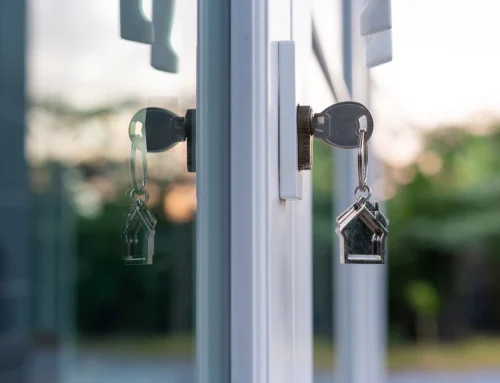
Car parks, storage lockers and holiday rentals, for example, can use access control systems instead of conventional locks and keys, ensuring a verified guest or customer can enter and leave as they wish without business owners needing to be physically present.
Other advantages include:
- Improved efficiency and reduced security costs compared to physical guarding or manual ID checks, due to the ability to automate entry processes.
- Options to scale access controls over multiple locations, adding more entry points or user access codes as required.
- Better fire and health and safety management, monitoring foot traffic, total individuals on site, and logging data for marketing, security or site supervision functions.
The absence of physical keys makes it significantly less likely that an intruder will be able to steal or copy a set of keys, and the options to update codes and passes regularly provide the assurance that a code can’t be guessed or replicated by anyone without the necessary authorisation.
How Can Businesses Ascertain Whether They Require Access Controls?
The best security solutions will always vary between businesses. We’d recommend starting by thinking about where gaps in your security lie, how serious they could be, and how well your existing security provisions are protecting your business from threats.
Being able to manage access is, of course, essential for every organisation, but we suggest considering your specific needs, whether you want a cloud-based monitoring system to provide general site-wide surveillance, or access controls to automate entry for known staff.
Businesses trading in sectors where discretion is key, such as hotels that want to avoid obtrusive CCTV cameras, often opt for discreet alarms, fire sensors and surveillance units. These can be integrated with access controls to help them manage who enters staff-only areas, without intruding on the experiences of guests.
Whichever conclusions you reach, access is likely to be a key component of your security approach, and the Eydens Locksmiths and Security team can happily suggest alternatives or security devices and services that you can combine with a commercial access system to cover all the bases. Get in touch today and we’ll help you find the right solution.